Essential Features for Peak Male Performance
Discover the science-backed strategies and nutrients that support optimal hydration and nutrition for men's fitness, endurance, and overall vitality.
The information on this site is for educational purposes only and does not constitute medical advice. Always consult a qualified healthcare professional before making health decisions.
Why Hydration Matters for Men's Fitness
Proper hydration is the foundation of athletic performance and physical recovery. Men who maintain optimal fluid intake experience improved muscle function, enhanced cardiovascular efficiency, and faster recovery times after intense training sessions.
Whether you're an endurance athlete, strength trainer, or fitness enthusiast, understanding your body's hydration needs is critical. Dehydration can reduce performance by up to 30 percent and impair cognitive function, making hydration optimization a key factor in achieving your fitness goals.
Core Features for Male Vitality
These essential elements work together to optimize your physical performance, recovery, and long-term health.
Optimal Fluid Balance
Maintaining proper electrolyte and fluid balance is essential for muscle function, thermoregulation, and nutrient transport. Men engaged in regular physical activity need strategic hydration protocols to maintain peak performance throughout training and competition.
Energy & Endurance Support
Carbohydrates, proteins, and healthy fats provide sustained energy for workouts and daily activities. Proper nutrition fuels muscle contractions, supports metabolic function, and enables consistent athletic performance across all training modalities.
Cardiovascular Function
Hydration directly impacts heart health, blood pressure regulation, and oxygen delivery to muscles. Consistent fluid intake supports cardiovascular endurance and helps maintain healthy circulation patterns during both rest and high-intensity exercise.
Muscle Recovery & Growth
Protein intake combined with proper hydration accelerates muscle protein synthesis and tissue repair. Adequate nutrition after workouts reduces soreness and enables faster adaptation to training stimulus, creating consistent progress.
Mental Clarity & Focus
Dehydration impairs cognitive function and mental performance. Maintaining optimal fluid and micronutrient levels supports concentration, decision-making, and mood stability—crucial elements for both athletic performance and daily productivity.
Immune System Support
Consistent nutrition and hydration strengthen immune function, reducing infection risk and supporting faster recovery from illness. Antioxidants, vitamins, and minerals work together to protect against oxidative stress from intense training.
Your Hydration & Nutrition Optimization Path
Follow these strategic steps to transform your approach to hydration and nutrition for maximum athletic benefit.
Assess Your Current Habits
Evaluate your daily water intake, current diet composition, and exercise routine. Understanding your baseline helps identify gaps and opportunities for improvement. Track fluid consumption and nutrition patterns for 3-5 days to establish accurate benchmarks.
Calculate Your Individual Needs
Daily hydration needs vary based on body weight, activity level, climate, and fitness goals. A general guideline is 0.5-1 ounce per pound of body weight, adjusted for sweat rate during exercise. Consult our comprehensive hydration guides for personalized calculations.
Build Your Nutrition Framework
Structure meals around complete proteins, complex carbohydrates, and healthy fats. Timing is crucial—consume carbs and protein within 30-60 minutes post-workout for optimal recovery. Our nutrition guide provides detailed macronutrient recommendations for different training styles.
Monitor & Adjust Continuously
Track performance metrics, energy levels, and recovery quality. Adjust hydration and nutrition based on seasonal changes, training intensity shifts, and individual response patterns. Regular assessment ensures your strategy evolves with your fitness progression.
Hydration Strategy Comparison
Different training styles require different hydration approaches. Find the strategy that matches your fitness goals.
Endurance Training
- High fluid intake: 16-24 oz per hour of exercise
- Electrolyte replacement to maintain sodium balance
- Carbohydrate drinks for sustained energy
- Post-exercise fluid intake 1.5x fluid loss volume
Strength Training
- Moderate hydration: 8-10 oz every 15-20 minutes
- Protein-focused nutrition for muscle adaptation
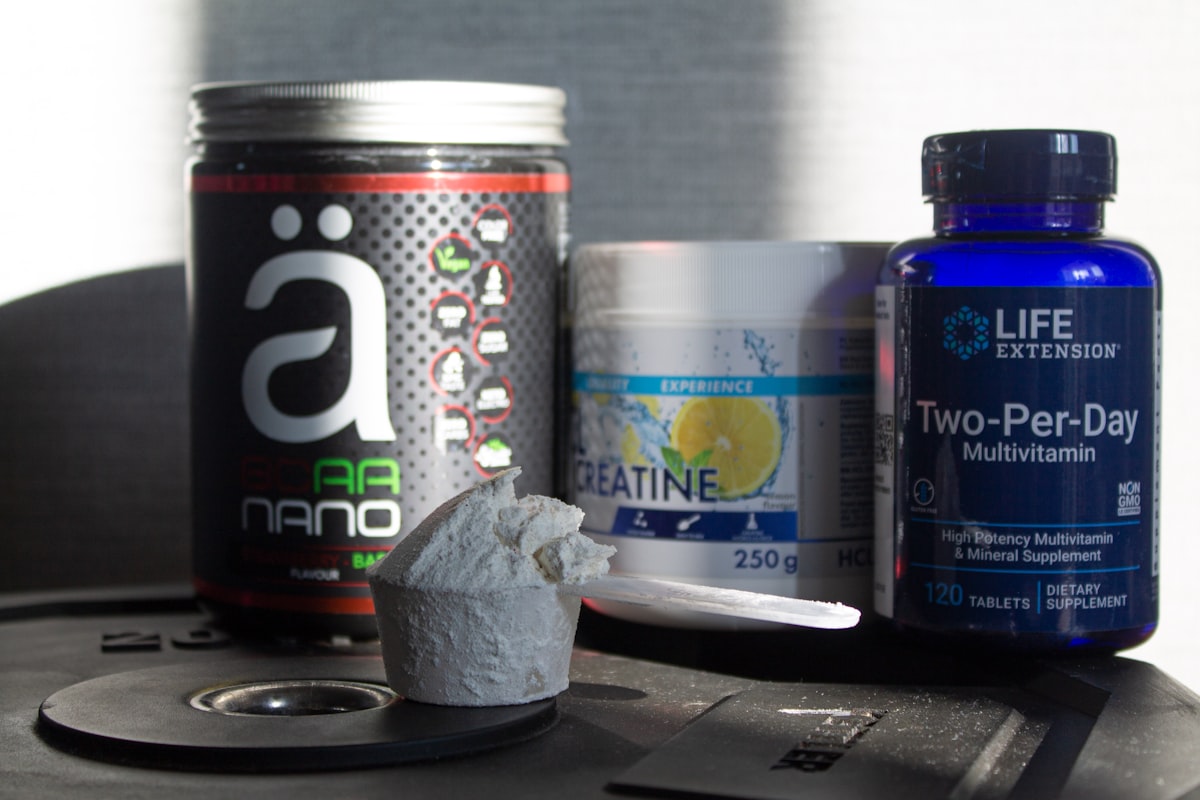
- Creatine and micronutrient supplementation benefits
- Recovery nutrition within 2 hours post-workout
HIIT Workouts
- Pre-hydration 16-20 oz 2-3 hours before session
- Small sips during intervals to maintain performance
- Fast-absorbing carbs for glycogen replenishment
- Aggressive post-workout rehydration (150% fluid loss)
Casual Fitness & Daily Life
- Consistent daily water intake throughout day
- Balanced macronutrient meals 3 times daily
- Adequate sleep and stress management support
- Weekly nutrition planning and meal preparation
Hydration & Nutrition Questions
Find answers to common questions about optimizing your hydration and nutrition strategy.
How much water should I drink daily?
The amount varies based on body weight, activity level, and climate. A common baseline is half your body weight in ounces daily, adjusted upward for exercise. For a 180-pound man, that's approximately 90 ounces (about 2.7 liters) minimum, increasing with sweat loss during training.
What's the best timing for post-workout nutrition?
Consume carbohydrates and protein within 30-60 minutes after training for optimal muscle recovery. This window is when muscles are most receptive to nutrient absorption. A ratio of 3:1 or 4:1 carbs to protein works well for most training types.
Are sports drinks necessary or can I just drink water?
For workouts under 60 minutes, plain water is sufficient. For longer endurance sessions, sports drinks containing carbohydrates and electrolytes provide energy and help maintain fluid balance. Choose options with 4-8 percent carbohydrate content and sodium for optimal absorption.
How do I know if I'm properly hydrated?
Urine color is a reliable indicator—pale yellow indicates good hydration, while dark yellow suggests you need more fluids. Monitor your body weight before and after workouts; you shouldn't lose more than 2 percent of body weight during exercise. Thirst is also a good cue, especially during and after training.
What micronutrients are most important for male athletes?
Key micronutrients include magnesium (muscle function), zinc (immune support), iron (oxygen transport), and B vitamins (energy metabolism). Sodium and potassium are critical for fluid balance. A varied diet with whole grains, lean proteins, vegetables, and fruits covers most micronutrient needs.
Can I over-hydrate?
Yes, excessive fluid intake without electrolyte replacement can cause hyponatremia (low blood sodium). This is rare in typical training but can occur during ultra-endurance events. Balance fluid intake with electrolyte consumption and drink to thirst rather than forcing excessive amounts.
Featured Articles & Guides
Dive deeper into hydration science and nutrition strategies with our comprehensive editorial content.
The Complete Hydration Science Guide
Understand osmolarity, sweat rate calculation, and electrolyte balance. This guide breaks down the biochemistry behind proper hydration for athletes.
Read article →Macronutrient Ratios for Different Training Types
Learn how to adjust protein, carbs, and fats based on your primary training modality, whether endurance, strength, or hybrid programming.
Read article →Micronutrients & Athletic Performance
Explore the role of vitamins and minerals in recovery, immune function, and performance. Discover real-world deficiency signs and food sources.
Read article →What Athletes & Fitness Enthusiasts Share
Real perspectives from men who have optimized their hydration and nutrition strategies.
Understanding my individual hydration needs made a dramatic difference in my training consistency. I used to hit walls around the 90-minute mark, but now I maintain performance throughout longer sessions. The science-backed approach completely changed how I approach nutrition timing and fluid intake.
Marcus R.
Endurance Athlete, Bandung
The recovery improvements were almost immediate once I fixed my post-workout nutrition timing. My soreness decreased significantly, and I could train harder with better results.
James T.
Strength Coach, Bandung
I didn't realize how dehydrated I was until I started tracking my fluid intake properly. My mental focus during workouts improved, and my energy levels stabilized throughout the day.
David K.
Fitness Enthusiast, Bandung
Learning about electrolyte balance transformed my understanding of hydration. It's not just about drinking water—it's about strategic mineral intake that matches my training intensity.
Rafael S.
CrossFit Athlete, Bandung
Ready to Optimize Your Approach?
Join thousands of men who've transformed their health with evidence-based nutrition strategies tailored to male physiology.
Frequently Asked Questions
Everything you need to know about male-specific nutrition
Ready to Transform Your Health?
Schedule your free consultation with our male nutrition specialists today.
Quick Response
Reply within 24 hours
Confidential
Your data is secure
No Obligation
Free consultation, zero pressure
Nutritionboostmalehub
Evidence-based nutrition strategies designed specifically for male physiology and fitness goals.