Hydrate Better, Perform Better
Discover the essential guide to hydration and nutrition designed specifically for men. Learn how proper fluid intake and balanced nutrient consumption can transform your energy, endurance, and overall vitality.
The information on this site is for educational purposes only and does not constitute medical advice. Always consult a qualified healthcare professional before making health decisions.
Why Hydration Matters
of male body composition is water — critical for muscle function and recovery
daily water intake recommended for active men to maintain peak performance
loss in body fluids can reduce athletic performance by up to 20%
improvement in cognitive function with proper hydration throughout the day
Why Hydration Matters for Men
Hydration is far more than just drinking water—it's the foundation of athletic performance, mental clarity, and long-term vitality. Men face unique hydration challenges due to higher metabolic rates, increased muscle mass, and often more demanding physical activities. Proper hydration supports muscle synthesis, regulates body temperature during exertion, and maintains the electrolyte balance essential for nerve and heart function.
Studies show that even mild dehydration impairs strength, endurance, and recovery. This is why understanding your individual hydration needs—based on activity level, climate, and fitness goals—is critical to sustainable performance.
- Enhanced Recovery: Adequate hydration accelerates muscle repair and reduces soreness after training sessions
- Mental Clarity: Proper fluid intake boosts focus, decision-making, and cognitive function throughout the day
- Physical Endurance: Well-hydrated athletes show superior strength and stamina during competition or training
Core Nutrition Pillars for Men
Optimize your male health through strategic nutrition. These four pillars work synergistically to build strength, sustain energy, and support long-term wellness.
Protein Intake
Muscle synthesis requires adequate protein—aim for 0.8–1.0g per pound of body weight daily. Quality sources include lean meats, eggs, legumes, and plant-based options for sustained muscle growth and recovery.
Electrolyte Balance
Sodium, potassium, and magnesium regulate fluid retention and muscle contraction. Proper electrolyte intake prevents cramping, maintains blood pressure, and optimizes neural function during and after exercise.
Carbohydrate Timing
Consume complex carbohydrates before training for sustained energy and after for glycogen replenishment. Strategic timing enhances performance and accelerates recovery cycles.
Micronutrient Density
Vitamins and minerals support enzyme function, immune response, and bone density. Focus on colorful vegetables, whole grains, and fortified foods to meet daily micronutrient needs.
Hydration Strategy
Consistent hydration throughout the day—not just during exercise—prevents performance decline. Monitor urine color as a simple indicator of adequate fluid intake and adjust based on sweat loss.
Nutrient Timing
The post-training window (within 2 hours) offers maximum nutrient absorption. Combining protein and carbohydrates during this period accelerates recovery and muscle protein synthesis.
Featured Editorial Content
Explore our latest articles and expert insights on hydration, nutrition, and male vitality. Our editorial team researches and publishes evidence-based guidance for sustainable performance improvement.
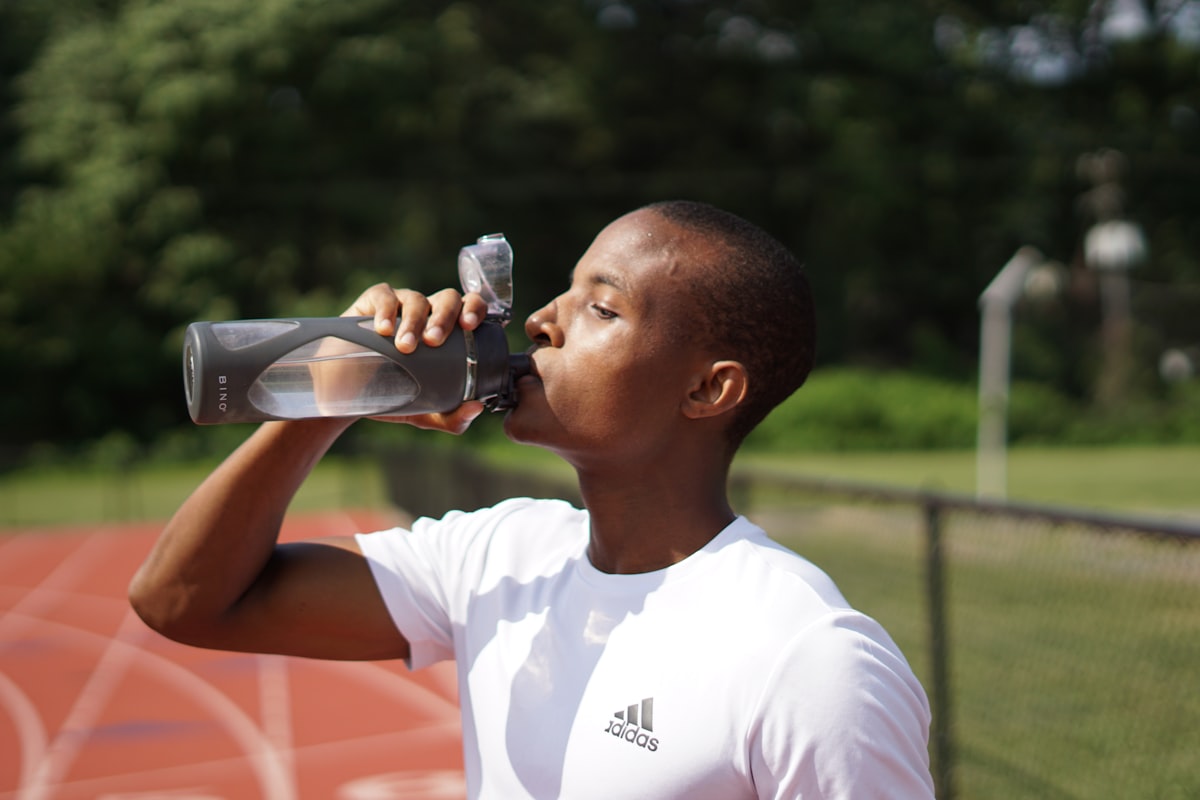
The Science Behind Male Hydration Needs
Discover why men require different hydration strategies than women, how metabolism influences water needs, and practical ways to optimize daily fluid intake for peak performance.

Nutrient Timing: Maximize Recovery After Training
Learn the critical post-workout window, ideal macronutrient ratios for recovery, and how strategic eating enhances muscle synthesis and prevents fatigue accumulation.

Electrolyte Replacement: Beyond Plain Water
Understand which electrolytes matter most during intense activity, how to recognize electrolyte imbalance, and practical replacement strategies for different training intensities.
Community Success Stories
The hydration tips from this platform completely transformed how I approach training. Within three weeks of following their evidence-based recommendations, my energy levels skyrocketed, my recovery time improved dramatically, and I broke through a five-month plateau in my strength gains. This isn't hype—it's the result of proper science applied practically.
Marcus Wijaya
Bandung, Indonesia
I've read countless nutrition guides, but this platform finally explains the "why" behind hydration science. The nutrition guide chapter on electrolyte balance solved my cramping issue during gym sessions. Highly informative and incredibly useful.
Rendra Sutrisno
Jakarta, Indonesia
As someone juggling work and fitness goals, I needed clear, actionable advice. This editorial content provides exactly that—no fluff, just evidence-backed strategies I can implement immediately. My mental clarity during work hours improved noticeably.
Adi Prabowo
Surabaya, Indonesia
The FAQ section answered questions I didn't even know I had about nutrient timing and recovery. The articles are well-researched, clearly written, and avoid pseudoscience entirely. This is exactly the kind of resource the fitness community needs.
Hendra Kusuma
Medan, Indonesia
Common Questions About Hydration & Nutrition
How much water should I drink daily?
General guidance suggests 3-4 liters per day for active men, though individual needs vary based on activity level, climate, and body composition. A practical approach: drink enough that your urine is pale yellow, not dark. During intense training, add 500-750ml per hour of activity, and continue hydrating for 2-4 hours post-exercise.
When should I eat protein after training?
The post-workout window extends up to 2 hours after training ends. Consuming 20-40g of protein within this period maximizes muscle protein synthesis. Pair protein with carbohydrates (at a 1:2-3 ratio) to replenish glycogen and enhance recovery. Timing matters more than it used to be thought, but total daily protein intake is ultimately the dominant factor.
What electrolytes do I need during exercise?
Sodium is the most critical electrolyte for fluid retention and nerve function during extended exercise (90+ minutes). Potassium supports muscle contraction and cardiovascular function. Magnesium aids muscle relaxation and energy production. For most workouts under 60 minutes, plain water suffices. Beyond 90 minutes, sports drinks containing 4-8% carbohydrates and 20-30 mmol sodium per liter are optimal.
Does dehydration really impact performance?
Yes, research confirms that even 2% dehydration noticeably impairs strength, endurance, and cognitive function. A 5% loss can reduce performance by up to 30%. This is why consistent hydration throughout the day—not just during exercise—is foundational. Men often underestimate their hydration needs, leading to chronic mild dehydration that blunts results.
How do I know if I'm eating enough protein?
Track your intake for 3-5 days using a nutrition app. For muscle building, target 0.8–1.0g per pound of body weight daily. Signs of adequate protein: consistent energy, good recovery between sessions, progressive strength gains, and stable body composition. If you're fatiguing easily or seeing plateaus, increase protein intake by 10-15g daily for two weeks and reassess.
Can caffeine affect hydration status?
Caffeine is a mild diuretic, but moderate consumption (100-400mg per day) has negligible net dehydration effects for most people. In fact, caffeinated beverages still contribute to daily fluid intake. However, relying solely on caffeine drinks for hydration is unwise—prioritize water as your primary source and view caffeine as a performance or focus supplement, not a primary hydration source.
Get Updates on Hydration & Nutrition
Subscribe to our email list and receive the latest articles, research summaries, and practical tips delivered directly to your inbox.
We respect your privacy. Unsubscribe anytime.
Ready to Optimize Your Hydration & Nutrition?
Explore our comprehensive guides, evidence-based articles, and FAQ section to transform your approach to male health and performance. Our editorial team is committed to delivering research-backed information that you can implement immediately.